Most people who pick up a new planner do the same thing. They fill in every section, chase every goal at once, and burn out by week three.
It's not a motivation problem. It's a focus problem.
When you try to move forward on five fronts simultaneously, you don't move five times as fast. You move in five different directions. The net result is a lot of effort and not much progress.
This is what focus lanes are for.
What a focus lane actually is
A focus lane is one deliberate area where you're putting your primary energy for a set period of time. Not forever. Not at the expense of everything else. Just the one place where meaningful progress is actually happening.
Think about what you're trying to change right now. Maybe it's building a healthier routine. Maybe it's making a career pivot. Maybe it's getting a side project off the ground. All of those things matter. But trying to overhaul them all at once is how good intentions become nothing.
One lane. Real traction.
How to choose yours
The BestSelf Planner has a monthly planning section at the start of each month. Most beginners skip straight to the weekly pages. Don't.
Spend 10 minutes there first.
Ask yourself three questions:
What would make this month feel like a win? Not "what do I want to accomplish across all areas of my life." Just: if you looked back at the end of the month and felt genuinely good, what would have happened?
Where am I stuck? Not in a spiral, just honest. Is there a habit that keeps slipping? A project sitting untouched? A relationship getting less attention than it deserves? Stuck often points directly to where focus would make the most difference.
What am I actually ready to work on? Timing matters more than people admit. Sometimes the right focus is the one you have the energy and circumstances to actually pursue right now, not the theoretically most important one.
Your answers will probably point toward one thing. That's your lane.
Setting it up in the planner
Once you've picked your focus lane, the BestSelf Planner gives you a few places to anchor it.
At the top of your monthly spread, write it down plainly. Not as a vague aspiration. As something specific enough that you'd know at the end of the month whether it happened.
-
Too vague: "Get healthier"
-
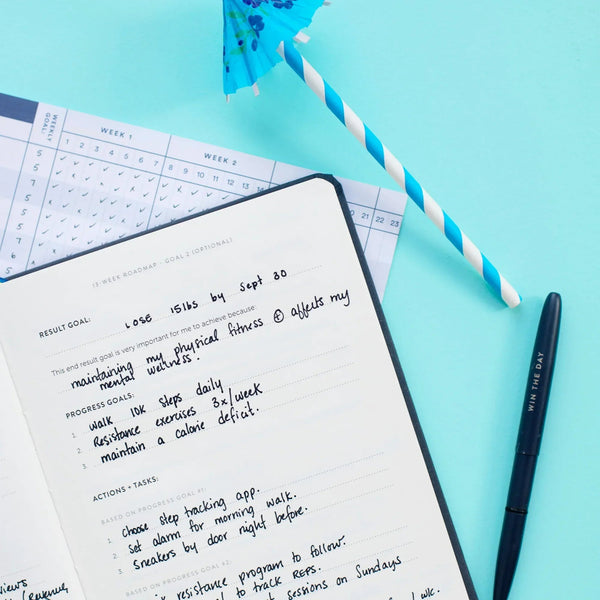
Specific: "Exercise three times a week and cut out afternoon snacking"
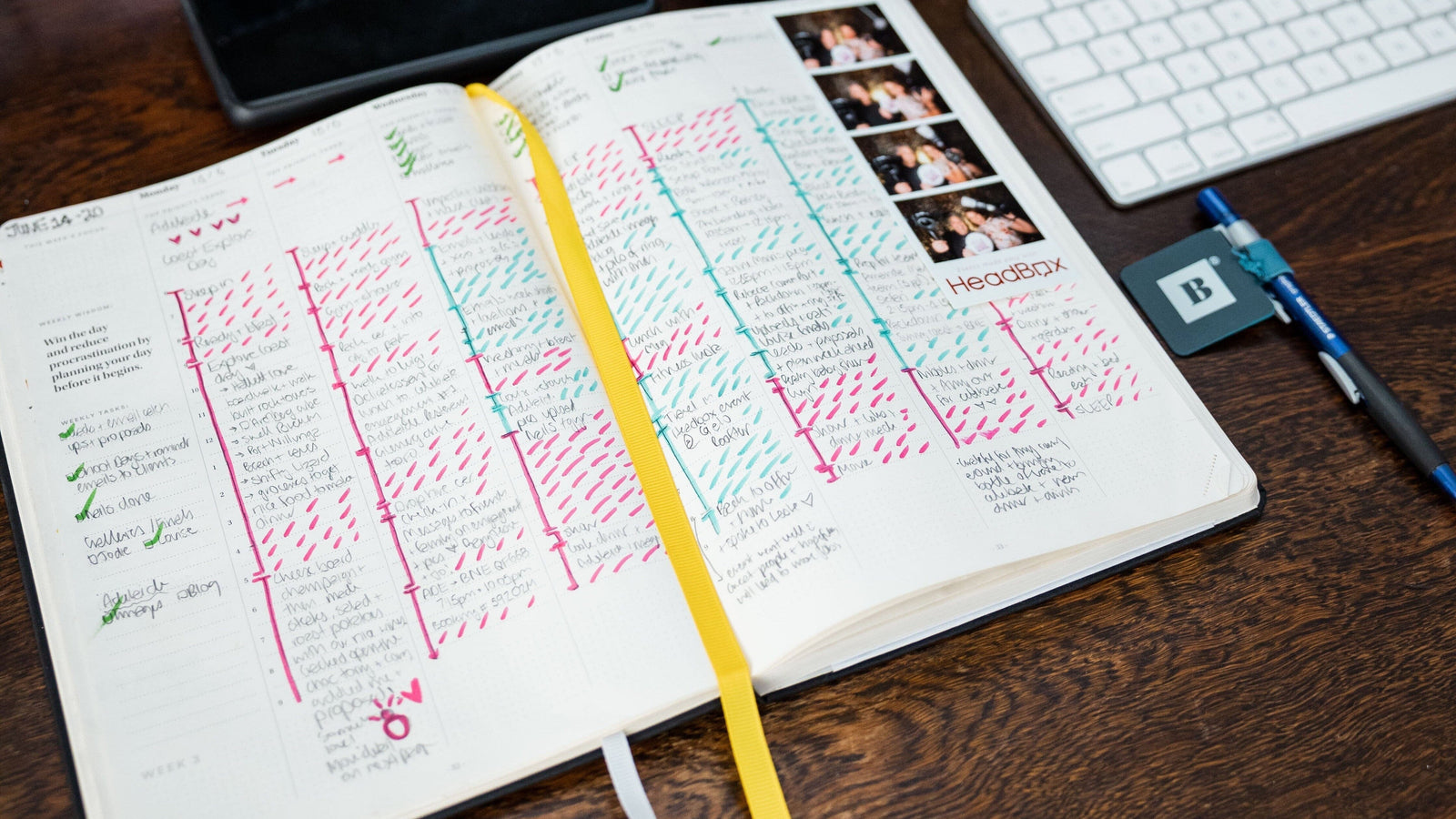
Then, on your weekly layouts, identify the two or three actions each week that directly serve that focus. These go in before anything else. Not as aspirations. As scheduled commitments.
The weekly layout has space for both work and personal goals. If your focus lane is personal, your work column still needs to function. That's fine. The lane isn't about ignoring everything else. It's about knowing which area gets your intentional effort this month.
What you're allowed to let slide
This is the part beginners find uncomfortable: choosing a focus lane means accepting that some other things will coast.
If your focus is career development, your home organization project is probably going to stay medium-messy for a month. If your focus is a fitness habit, your social calendar might thin out a bit. That's not failure. That's prioritization.
The BestSelf Planner's habit tracker (the visual monthly grid) is useful here too. Track your focus-lane habit daily. Keep the other habits simple and maintenance-level. You're not abandoning them. You're just not leading with them.
When to switch lanes
The planner runs in six-month cycles. That's a good forcing function.
At the start of each new month, revisit the monthly planning section and ask whether your lane still makes sense. Sometimes the answer is yes, keep building. Sometimes a month of progress on one thing reveals what needs attention next.
Don't switch lanes inside a month unless something genuinely changes. Restlessness is not a reason to pivot. Hitting a natural completion point is.
One last thing
Choosing a focus lane doesn't mean life gets simple. Your job still has demands. Your family still needs you. Things will still come up.
What it means is that when you sit down with your planner on Monday morning, you know exactly what you're trying to move this week. You're not scanning the whole board wondering where to start. You already know.
That clarity is the whole point.
The BestSelf Planner is a flexible 6-month planner designed to help you build sustainable habits and track meaningful progress. Find it at bestself.co.