If your workday tends to blur into one long chain of tabs, notifications, and unfinished thoughts, mindfulness can help—not as a big lifestyle overhaul, but as a way to create small resets inside an ordinary day.
The good news is that mindfulness does not have to mean a silent room, a meditation app, or 30 uninterrupted minutes.
A lot of the most useful mindfulness activities take one to five minutes and fit easily into the spaces that already exist in your day: before a meeting, after a stressful email, during lunch, or between tasks.
What mindfulness actually means
Mindfulness is simply paying attention to what is happening right now without immediately getting pulled away by judgment, distraction, or autopilot.
That can mean noticing your breath, your body, a sound in the room, or the fact that your mind is spinning before you reply to someone.
It is not about having a perfectly calm mind. It is about noticing where your attention went and gently bringing it back.
1-minute mindfulness activities
Box breathing
How: inhale for four counts, hold for four, exhale for four, hold for four. Best for: resetting before a meeting, after stress, or during a transition.
5-4-3-2-1 grounding
How: notice five things you can see, four you can touch, three you can hear, two you can smell, and one you can taste. Best for: moments of overwhelm or anxious spiraling.
Mindful sip
How: take one sip of coffee, tea, or water with full attention. Notice the temperature, taste, and sensation. Best for: attaching mindfulness to an existing habit.
Hand awareness
How: keep your hands still and place your full attention on their sensations for 60 seconds. Best for: grounding when you need something subtle at your desk.
5-minute mindfulness activities
Quick body scan
How: slowly move your attention through your body from head to toe, noticing tension, pressure, or discomfort without trying to fix it right away. Best for: reconnecting with your body after long stretches at a desk.
Mindful walking
How: walk to the kitchen, bathroom, or outside with deliberate attention to each step. Best for: resetting between tasks.
Listening meditation
How: close your eyes and notice the layers of sound around you without labeling them as good or bad. Best for: bringing attention outward when your thoughts feel crowded.
Gratitude pause
How: write down three specific things that feel steady, good, or supportive right now. Best for: shifting your attention when your brain is locked onto problems.
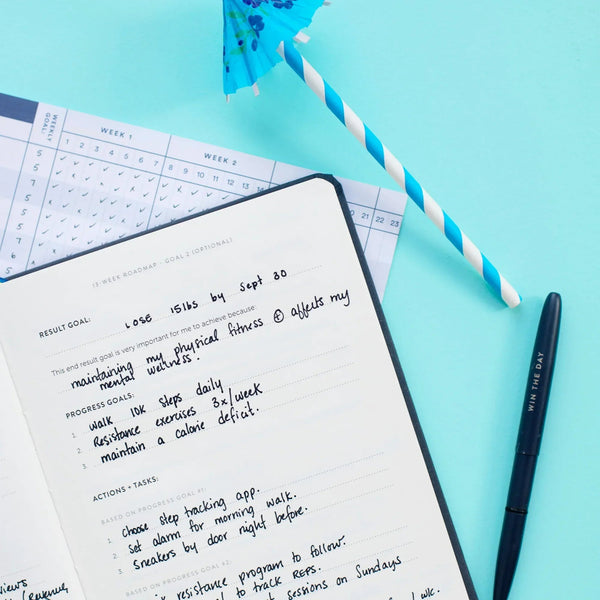
If you like having a built-in place for short reflection prompts, tools like the [Self Journal](https://bestself.co/products/self-journal) can make this easier to repeat.
Breath counting
How: count each exhale up to ten, then start again. When your mind drifts, come back to one. Best for: simple focus practice when your attention feels scattered.
Mindfulness activities for work
Meeting arrival ritual
Before a meeting starts, take three slow breaths and decide how you want to show up.
Email pause
Before hitting send, take one breath and reread the message with fresh eyes.
Transition ritual
When switching tasks, close tabs, clear visual clutter, or pause for three breaths before moving on.
Mindful listening
In conversation, notice the urge to formulate your answer before the other person finishes. Bring your attention back to listening.
Lunch presence
Eat one meal without your phone or laptop open. Notice taste, pace, and when you actually feel done.
Mindfulness activities for stress
STOP technique
Use this when you feel reactive:
- Stop
- Take a breath
- Observe what is happening in your body and mind
- Proceed with a little more awareness
Name the emotion
Instead of “I feel bad,” try getting more specific: frustrated, anxious, resentful, embarrassed, overloaded. Naming the emotion often takes some of the heat out of it.
Worry dump
Set a timer for five minutes and write down everything circling in your head. When the timer ends, stop.
If stress is the deeper issue, it can also help to pair mindfulness with broader support like journaling, exercise, or clearer work boundaries.
How to make mindfulness a habit
Mindfulness gets easier when it is tied to moments that already happen.
Try attaching one practice to:
- your first drink of the day
- the start of lunch
- the moment before meetings
- the walk to the bathroom or kitchen
- the end of your workday
A small practice done often is usually more useful than a longer one you rarely remember.
If you like tracking habits or reflection patterns, the [Self Journal](https://bestself.co/products/self-journal) can support that, but the practice itself does not require any tool.
Common myths about mindfulness
“I’m bad at mindfulness.”
You are not. If you notice your attention drift and bring it back, you are doing it.
“I need a lot of time.”
You do not. One minute is enough to interrupt autopilot.
“It’s only for relaxed people.”
It is often most useful when you are stressed, distracted, or reactive.
“It should make me feel calm every time.”
Not always. Sometimes mindfulness just helps you notice what is actually going on.
Start with one practice
You do not need a whole new routine.
Pick one moment in your day that already happens and add one short mindfulness activity to it.
That could be one deep breath before opening your inbox, one mindful sip in the afternoon, or one short body scan after a long block of work.
That is enough to start.
Mindfulness works best when it feels ordinary, repeatable, and real—not like one more self-improvement project you are supposed to do perfectly.
Frequently Asked Questions
How long do I need to practice mindfulness to notice benefits?
Some people notice small shifts quickly, especially around stress and attention. Bigger changes usually come from repetition over time.
Can I practice mindfulness without meditating formally?
Yes. Most of the activities in this guide are informal practices woven into daily life.
Is mindfulness the same as relaxation?
No. Relaxation can be a result, but mindfulness is mainly about awareness.
Should I use an app?
You can, but you do not need to. Many people do just fine with simple offline practices.
Is mindfulness religious?
It has roots in Buddhist traditions, but many modern mindfulness practices are used in secular settings like therapy, healthcare, and workplaces.