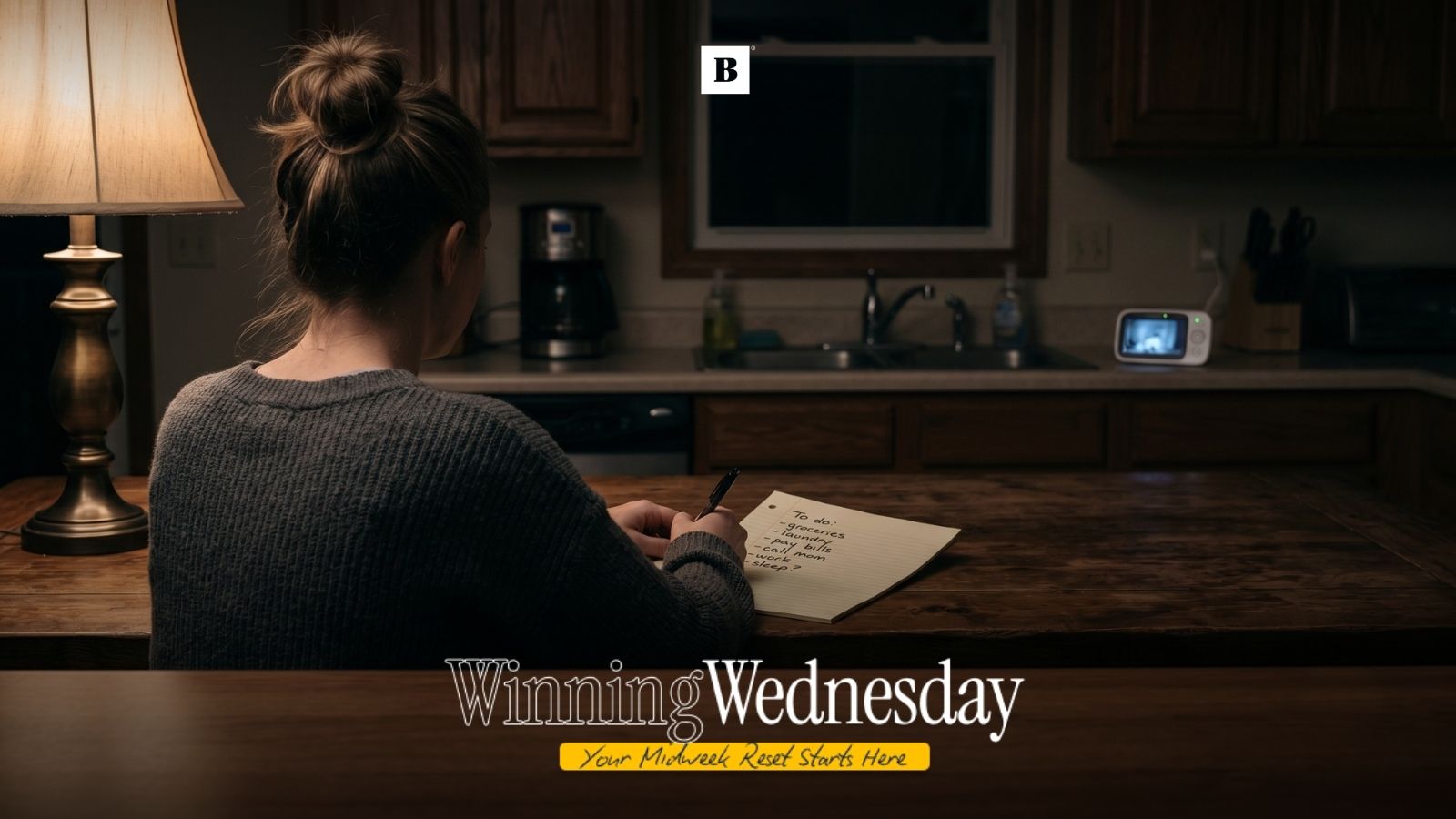

Your Brain Isn't Broken
It's 9:30 PM and I finally have some peace after the domestic chaos of today. The baby crying. Quinn having a meltdown because I put the sauce on the wrong part of her plate. Both dogs barking at the landscapers next door. My mom and mother-in-law are in town, which is amazing help with a new baby, but I swear if they ask me one more question about where things go...
And my brain? My brain is thinking about the work deadline I'm missing while simultaneously calculating how many diapers we have left while also remembering I forgot to add Quinn's teacher conference to my calendar while also noticing the dogs need water while also...
This is mental load. And here's what nobody told me: it's not about being more organized.
I spent years thinking I was just bad at managing life. Especially after my ADHD diagnosis at 31, looking back at university where I pulled constant all-nighters just to keep up. Everyone else seemed to handle things fine while I was drowning, working nonstop just to stay afloat. Turns out, I wasn't broken. I was trying to run neurotypical software on an ADHD operating system.
Then I had kids, and the mental load went from heavy to crushing. Here's the part that made me cry when I read it: researchers found that mothers with ADHD experience executive function overload at three times the rate of neurotypical parents. Three times. We're not imagining it. Our brains are literally processing more channels simultaneously than they're designed to handle. It's like running 47 browser tabs on a computer built for 10.
But here's the revelation that changed everything: mental load isn't a personal problem. It's a systems problem.
The Three Types of Mental Load (and Why They're Killing Us)
After tracking my mental energy for a week (yes, on paper, because apps just become another tab I forget about), I discovered three distinct types:
1. The Visible Load
The obvious tasks. Feed baby. Pack Quinn's lunch. Answer emails. Walk dogs. The stuff that goes on to-do lists. This is maybe 30% of actual mental load.
2. The Invisible Load
The stuff nobody sees. Remembering Quinn needs new shoes before school. Tracking when we're low on formula. Knowing which neighbor has the spare key. Noticing Emily looks tired and needs a break. Mental project management that never stops. This is about 50% of the load.
3. The Emotional Load
The weight of everyone's feelings. Quinn's jealousy about the baby. Emily's stress about work. Both grandmas wanting to help but not overstep. My own guilt about everything. This invisible emotional labor is the other 20% that nobody talks about.
Here's what I realized, standing in my kitchen at peak chaos: I was trying to hold all three types in my head simultaneously. No wonder I felt like my brain was on fire.
The Partnership Revolution
One thing has saved me: splitting the mental load by actual strengths, not assumptions.
I'm a morning person. Up at 5 AM, ready to conquer. So I handle mornings: breakfast, lunches, walking dogs. Emily's a night owl, so she owns bedtime and late-night baby duties. We work with our natural rhythms instead of against them.
Then there's the preference split. Emily makes every phone call because she knows I'd rather eat glass than call the insurance company. I handle anything involving spreadsheets or planning. She remembers which pediatrician we like. I remember which forms are due when.
But here's the real secret: our weekly Sunday meeting. Every Sunday at 8 PM, we sit with our notebooks and actually talk through the week. Takes 20 minutes. Saves 20 hours of confusion. Plus a daily 5-minute download: here's what happened, here's what I need tomorrow, here's where I need backup.
My friend called last week, drowning in her family's mental load. "How do you both just know what needs doing?" We don't just know. We literally designed a system. Revolutionary, right?
The System That Actually Works (For ADHD Brains)
After years of failed apps and forgotten digital systems, here's what actually works.
The Daily Download
Every night at 9 PM, I take a piece of paper and write down everything in my brain. Everything. The random worries, the tomorrow tasks, the "oh crap I forgot" items. Then I sort them:
- Must happen tomorrow (max 3 things)
- Would be nice tomorrow (max 3 things)
- Someone else can do this (delegate list)
- Doesn't actually need doing (cross it out)
Seeing it on paper makes it real in a way that apps never do. I can't just close paper and pretend it doesn't exist.
The Physical Command Center
We have three things on our kitchen wall:
- A massive whiteboard with this week's must-dos
- A calendar with only the absolutely essential appointments
- A "running low" list where anyone can write what needs buying
Is it pretty? No. Does it work? Yes. Because I can't ignore what's literally on my wall.

The Mental Load Audit
This week, try the simplest version first.
Step 1: For just one day, write down every single thing you think about doing. Not just what you do, but what crosses your mind as a responsibility. Every "I should," "I need to," "don't forget to."
Step 2: Circle the things only you can do. Really truly only you.
Step 3: Put a star next to things that could be done by someone else, automated, or maybe don't need doing at all.
Make it easier: Can't track all day? Do it for one hour. Just one hour of noticing the mental tabs you have open. You'll be shocked at how much invisible work your brain is doing.

Where is your mental load the heaviest right now — and what's one thing on that list that doesn't actually need to be yours?

📚 Book: Fair Play by Eve Rodsky This book gamified household management and saved my sanity. It's not about doing more — it's about clarifying who owns what mental task from conception to completion.
🎧 Podcast: "The Mental Load" episode on We Can Do Hard Things Glennon Doyle breaks down why we're all so tired and what to do about it. The part about "mental load as invisible labor" hit me right in the chest.
✍️ Tool: Daily Action Pad I use this to get everything out of my head at night and plan tomorrow. Seeing my whole day on one page in front of me — not on a screen — changed everything.