
Your Brain's Secret Saboteur
Six months ago, my daughter caught me watching TikTok in the shower.
It was 8 AM. I had my phone propped on the shower shelf because a friend "just had to share this video." Quinn walked in. "What are you doing?"
I froze.
If she'd caught me drinking wine at 8 AM in the shower, that would clearly be a problem. But somehow I'd normalized watching TikTok while shampooing. That's when it hit me: this IS a problem.
The Hidden Force Controlling Your Day
Let me tell you about dopamine. It's not the "pleasure chemical" everyone thinks it is. It's the "seeking chemical." Dopamine doesn't make you happy. It makes you hunt for happiness.
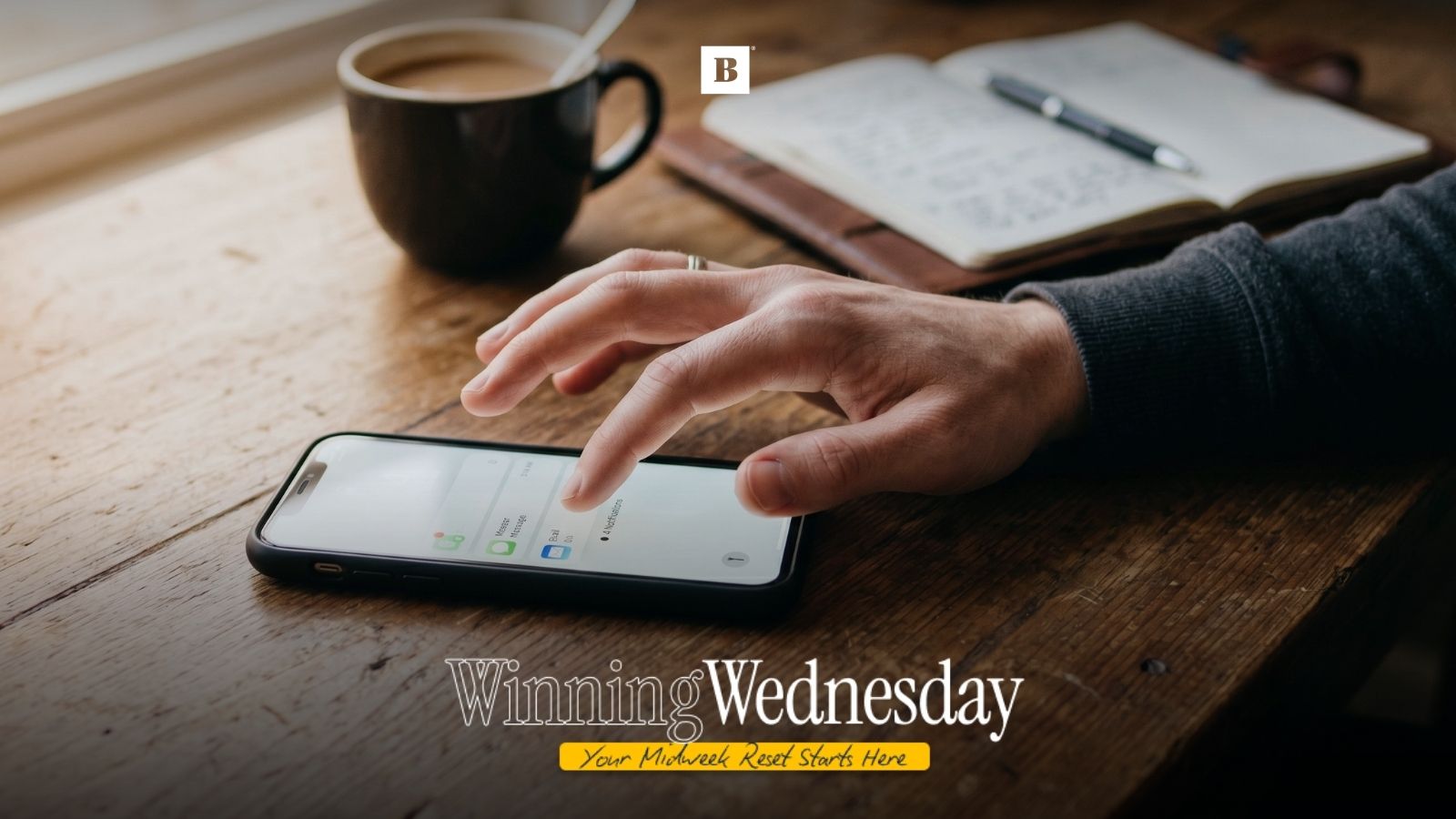
And here's where it gets dark: your phone is a dopamine slot machine in your pocket. Every notification, every scroll, every refresh. Pull the lever, maybe get a reward.
Those trillion-dollar companies? They're not competing with other apps anymore. They're competing with your sleep, your relationships, your actual life.
The ADHD Double Whammy
Here's what most people don't know: ADHD brains produce less dopamine naturally. We're not dopamine addicts. We're dopamine deficient. So we seek it out more desperately than neurotypical brains.
If you have ADHD like me (and 4-7% of adults do), you're playing on hard mode. Our brains produce 20% less dopamine naturally.
📚 Research corner: The dopamine deficiency in ADHD brains isn't a character flaw. It's neurobiology. Understanding this helped me stop blaming myself and start building systems that work with my brain, not against it. Then along come these apps, specifically designed to hijack our already-seeking brains. We're bringing a knife to a gunfight.
My Dopamine Audit Results
I decided to track every dopamine hit for a week. It was humiliating.
I'd gone from saying "I read this book" or "I read this article" to constantly starting sentences with "I saw this TikTok..." When that becomes your primary source of information and conversation, something's wrong.
Here were my top dopamine dealers:
1. The Phone Meta-Addiction
Everything lived here. Shopping apps, email apps, social apps, project planning apps. One device to rule them all. But it wasn't just the phone itself — it was the gateway drug to everything else.
2. Online Shopping
The hunt. The cart building. The checkout rush. Then the shame when packages arrived for things I didn't remember ordering.
3. Constantly Checking Messages
Email, Slack, texts. That "new message" hit was like crack, even when I knew nothing important was coming.
4. Starting New Projects
Classic ADHD move. My brain loves the novelty dopamine of beginning something shiny and new. (Finishing? That's another story.)
But here's what really shocked me: I literally couldn't watch a movie without picking up my phone. Even movies I wanted to watch. My attention span had shattered into 30-second chunks.
The average person checks their phone 205 times daily. That's once every 10 minutes of waking hours.
📚 Research corner: Stanford found that each notification releases the same dopamine as a slot machine pull. But here's the kicker: the anticipation is more addictive than the reward itself. That's why we keep scrolling even when nothing good is happening.
The really sneaky part? How many "productive" activities were just dopamine seeking in disguise. Researching productivity systems instead of actually doing work. Watching YouTube videos about time management for 3 hours. Planning the perfect morning routine instead of just... having a morning routine.
The 847-Day Battle
That's how many days between when I first admitted I had a problem and when I finally found something that worked.
847 days of:
- Lockboxes (but what if there's an emergency?)
- App blockers (deleted them in weak moments)
- Leaving phone in car (then walking back to get it)
- Every hack, trick, and "this one weird trick" promised online
Nothing stuck until... (more on that next week).
What Natural Dopamine Actually Feels Like
When I finally started breaking free, I had to relearn what real dopamine felt like.
The natural sources that actually nourish:
- Walking without podcasts (just thinking)
- Reading physical books (started with just 10 pages a day)
- Calling friends instead of texting
- Cooking without "background" shows
- Playing with Quinn without documenting it
- Morning coffee without scrolling
- Finishing something. Actually finishing. Not 90% done. Done done. (Remember that feeling?)
They all felt boring at first. My brain was calibrated to TikTok-speed dopamine. Everything else felt like watching paint dry.
But slowly, they started feeling... richer. More satisfying. Like the difference between candy and a real meal.

The Dopamine Audit (Done in 10 Minutes)
Time to get honest about your own dopamine dealers.
Standard version (throughout the day):
- Note every time you reach for quick dopamine — phone check, email refresh, snack hunt, new tab opened
- Rate satisfaction 1–10 immediately after (1 = "Why did I do that?" 10 = "Totally worth it")
- Rate regret 1–10 an hour later (1 = "No regrets" 10 = "Complete time waste")
- Identify your top 3 "dealers"
- Note your most surprising discovery
Make it easier (1-hour version):
- Just track for one hour
- Simple tally marks for each dopamine seek
- No judgment, just awareness
What you'll probably notice: the quick hits that promise satisfaction deliver mostly regret.

What's one "productive" activity you do that's actually just sophisticated procrastination?

📚 Book: "The Molecule of More" by Daniel Z. Lieberman The best explanation of dopamine I've found. It's not about happiness — it's about wanting. Understanding this changed everything about how I approach my phone addiction.
🎬 Documentary: "The Social Dilemma" on Netflix If you haven't seen it yet, block 90 minutes this week. Former tech executives explain exactly how these apps hijack our brains. Warning: you'll never look at notifications the same way.
🔍 Technique: The 20-20-20 Rule Every 20 minutes, look at something 20 feet away for 20 seconds. It breaks the dopamine loop and saves your eyes. Set a gentle timer to remind you.